Bus Captains
There are about 14 000 bus captains. Providing safe and reliable journeys for passengers by bus captains is a key contributing factor to franchised bus safety.
While bus captains are required to undergo rigorous and continuous training, franchised bus operators will provide specified training courses to bus captains as required by Transport Department and adopt different training programmes for their bus captains to suit their operational needs. Newly recruited bus captains have to complete and pass various stringent pre-service training and assessments, while in-service bus captains have to attend refresher and remedial trainings to enhance their safety awareness and keep abreast of the latest bus safety measures and traffic regulations.
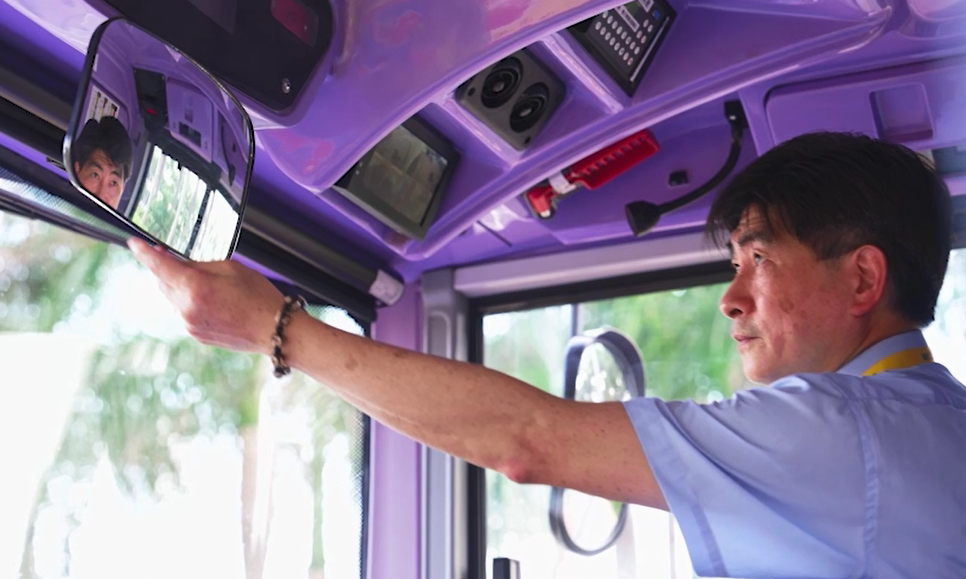
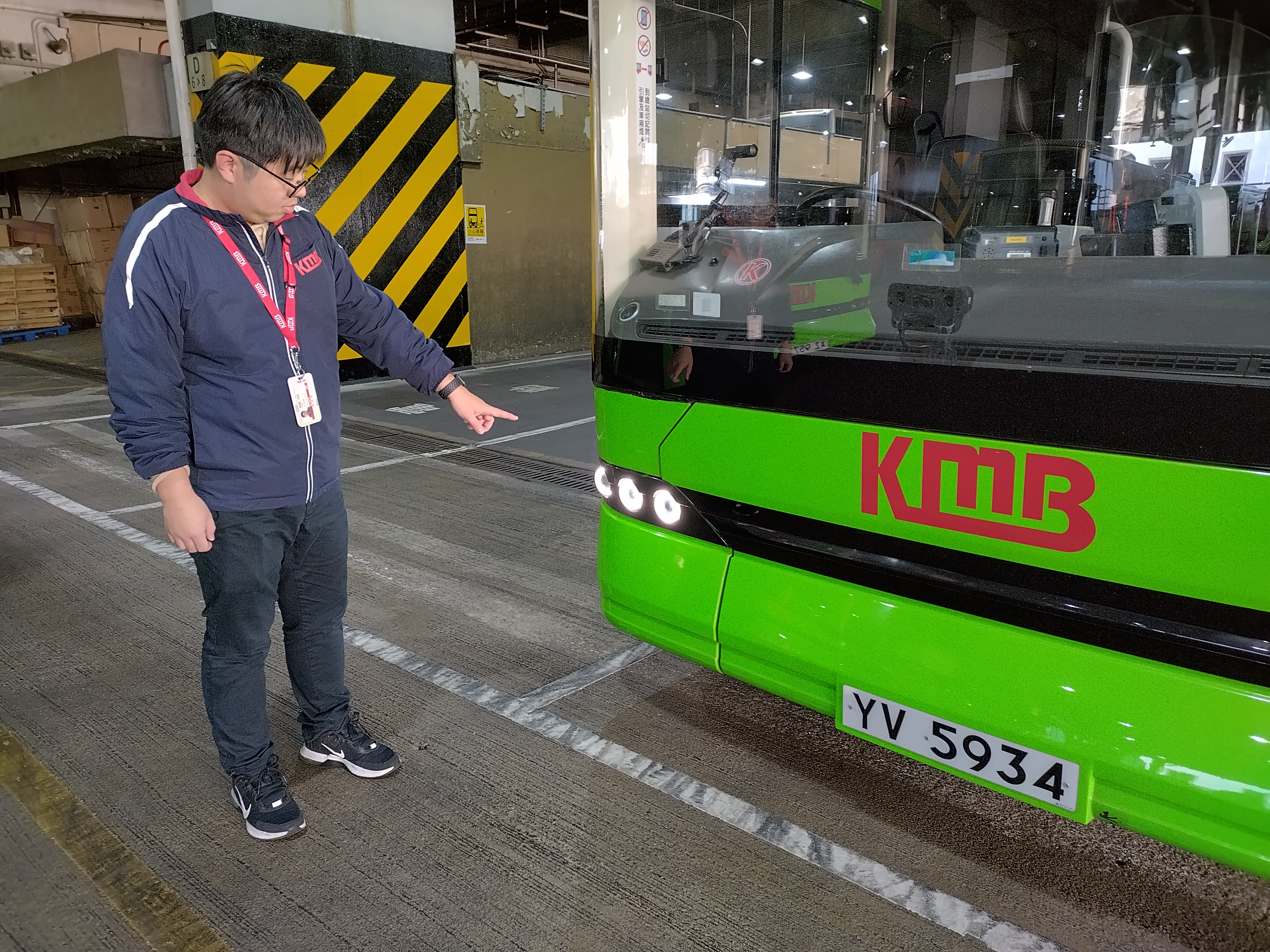
Bus captains must be in good driving manner and prioritize passenger safety when carrying passengers to their destinations. Their duties include conducting pre-service vehicle inspection, ensuring the safety of passengers when boarding, alighting and riding on buses, managing passenger order, handling emergencies and maintaining safe driving through the use of safety devices on buses.
 |
 |
 |
|
Bus captain adjusts the mirrors before driving
|
Bus captain checks headlights before driving
|
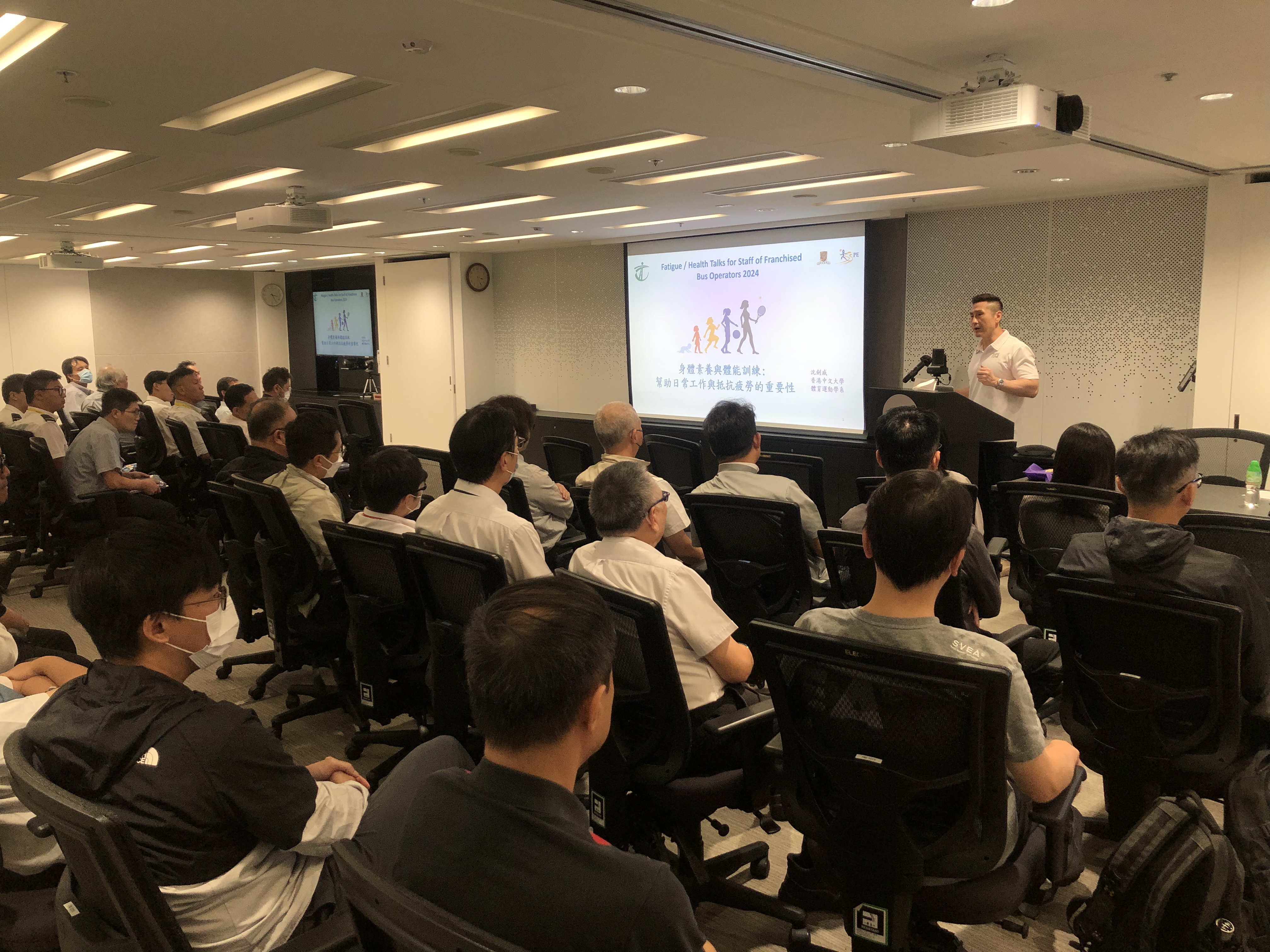
Bus captains attend talks on fatigue management
and tips for good sleep
|
 |
 |
|
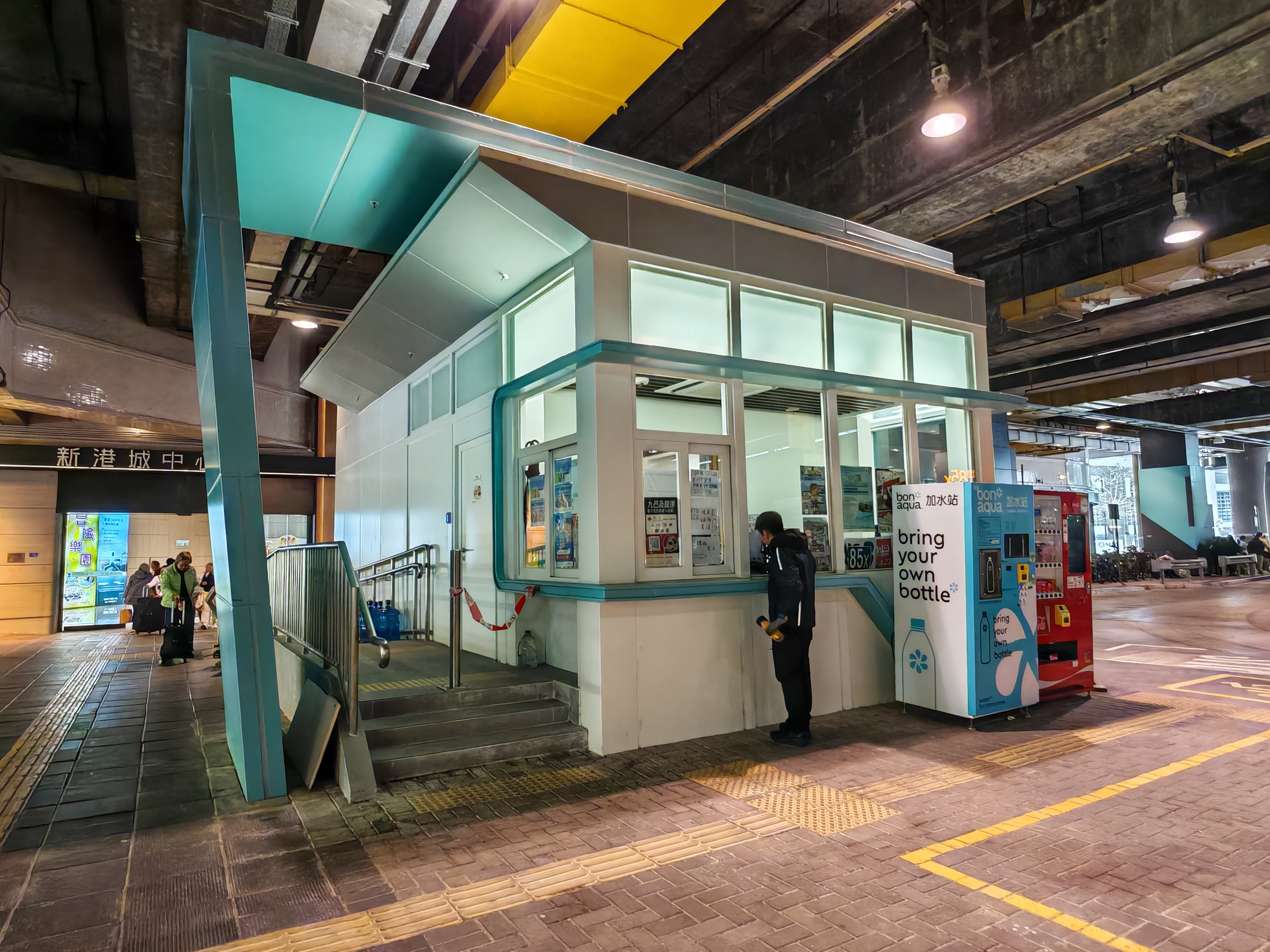
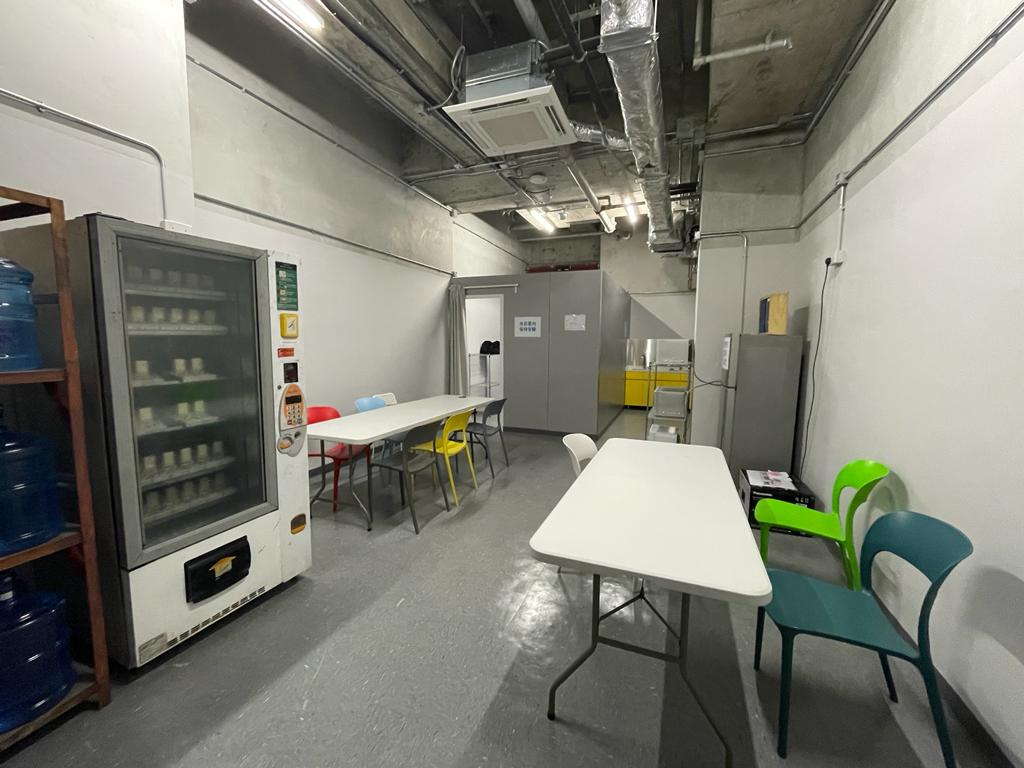
Rest areas are provided at bus termini for bus captains to have meals and rest to prevent fatigue from driving
|
Bus Passengers
Franchised bus traffic accidents which involve passenger injuries may be caused by various factors. For instance, sudden braking or collision may result in passenger injuries, especially for those standing, moving or not holding onto the handrails on the bus. In the past five years (from 2021 to 2025), an average of about 2,100 casualties per year are recorded. With the resumption of social and economic activities after the COVID-19 epidemic, the franchised bus patronage has gradually increased and the number of casualties has also increased. Analysed by the degree of injury among the casualties, the majority were slightly injured and the number of killed or seriously injured casualties has remained at low level over the past five years and has shown a downward trend.
The main cause of passenger injuries in non-collision accidents is loss of balance in the bus compartment. To reduce the risk of such injuries, bus passengers, especially the elderly, should remain in their seats when the bus is in motion, fasten the seat belts if they are installed on seats, and hold onto the handrail when standing or moving on bus.
Passengers should not run onto the road if they need to cross it after alighting, and they should not chase a bus once it has left the stop.
Be a smart bus passenger and reach your destination safely, everyone should remember:
 |
Hold the handrail when standing inside the bus |
 |
Hold the handrail when using the stairs |
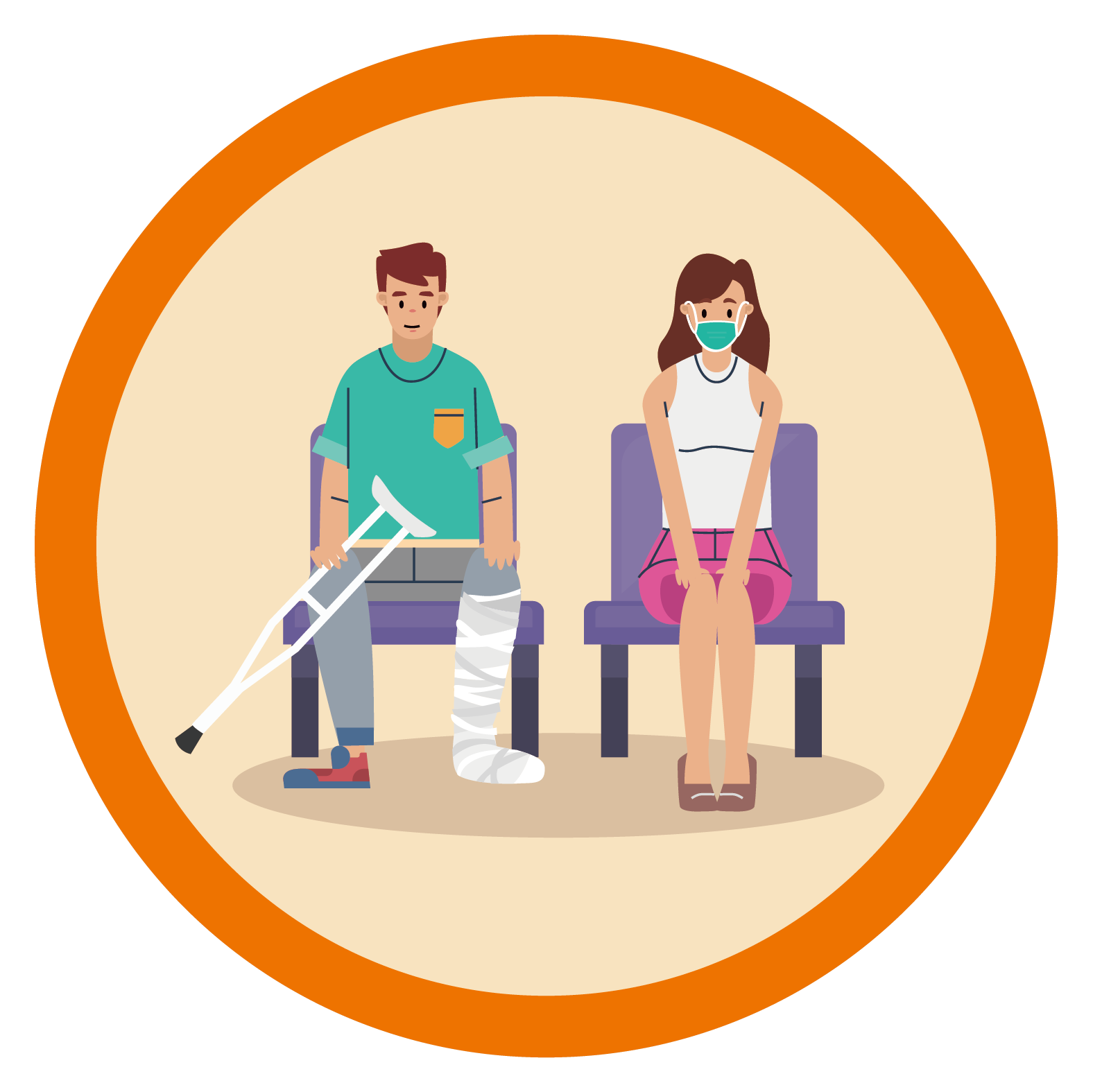 |
The elderly and persons with mobility impairments should remain seated while the bus is in motion |
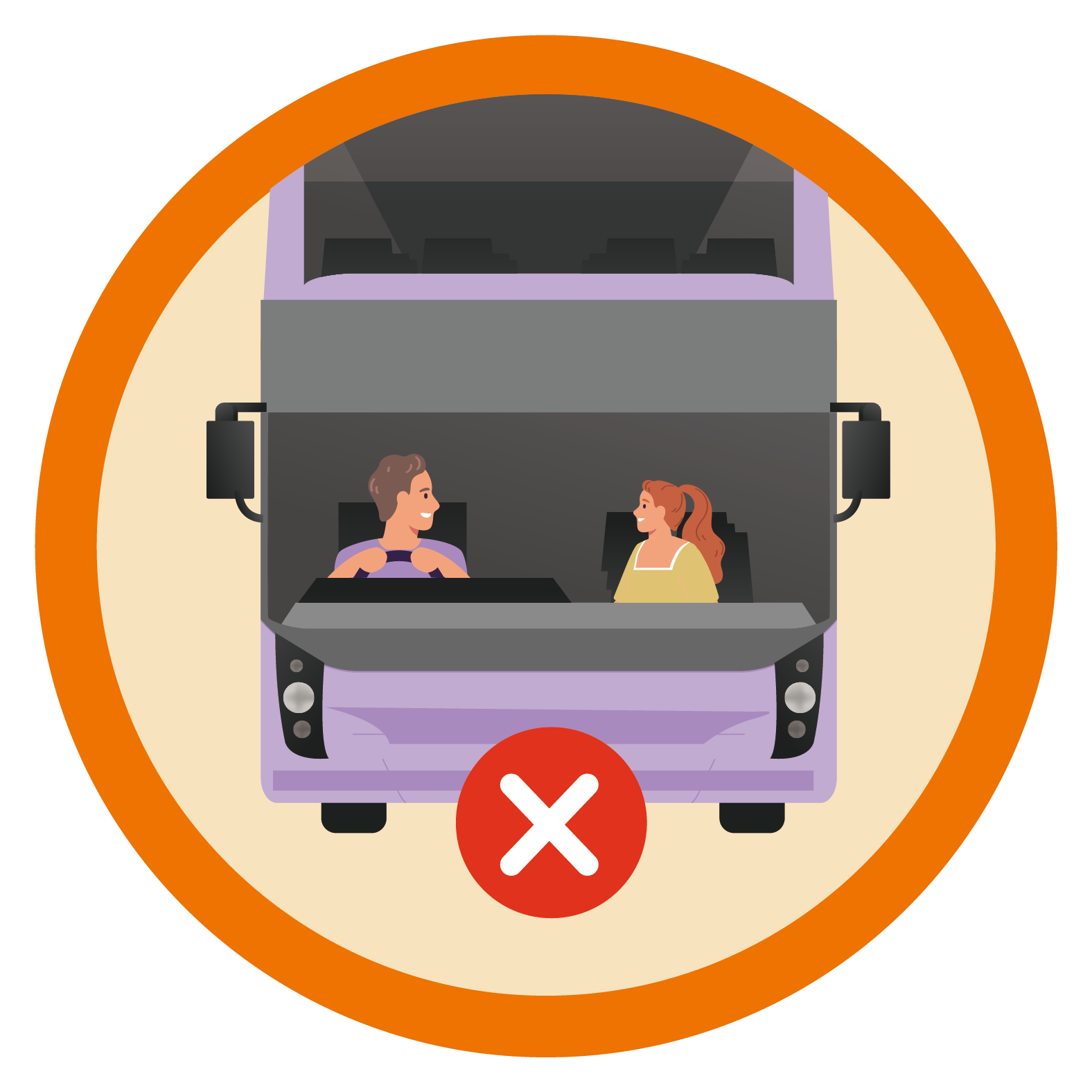 |
Do not talk to bus captain when driving |
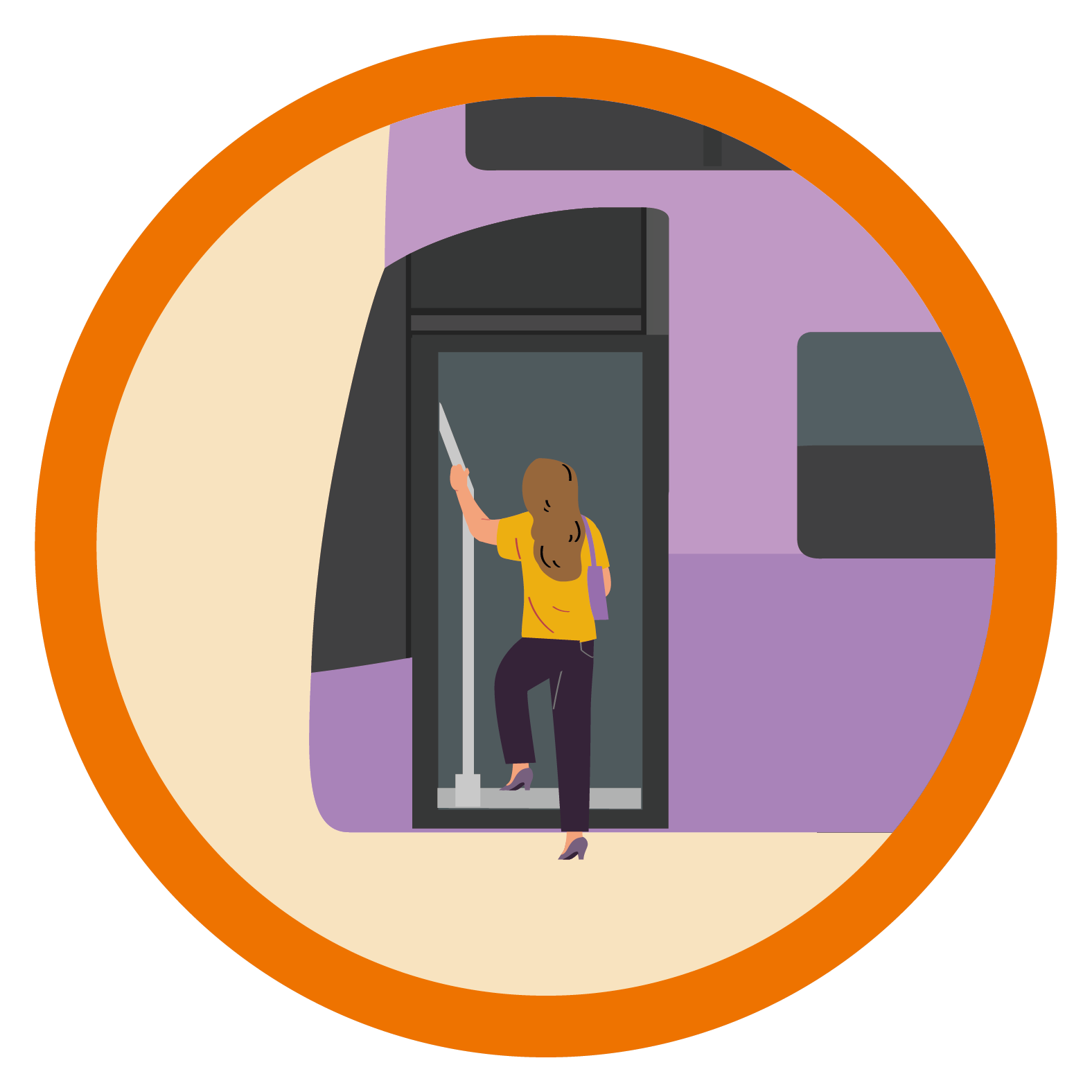 |
Mind the steps when boarding and alighting |
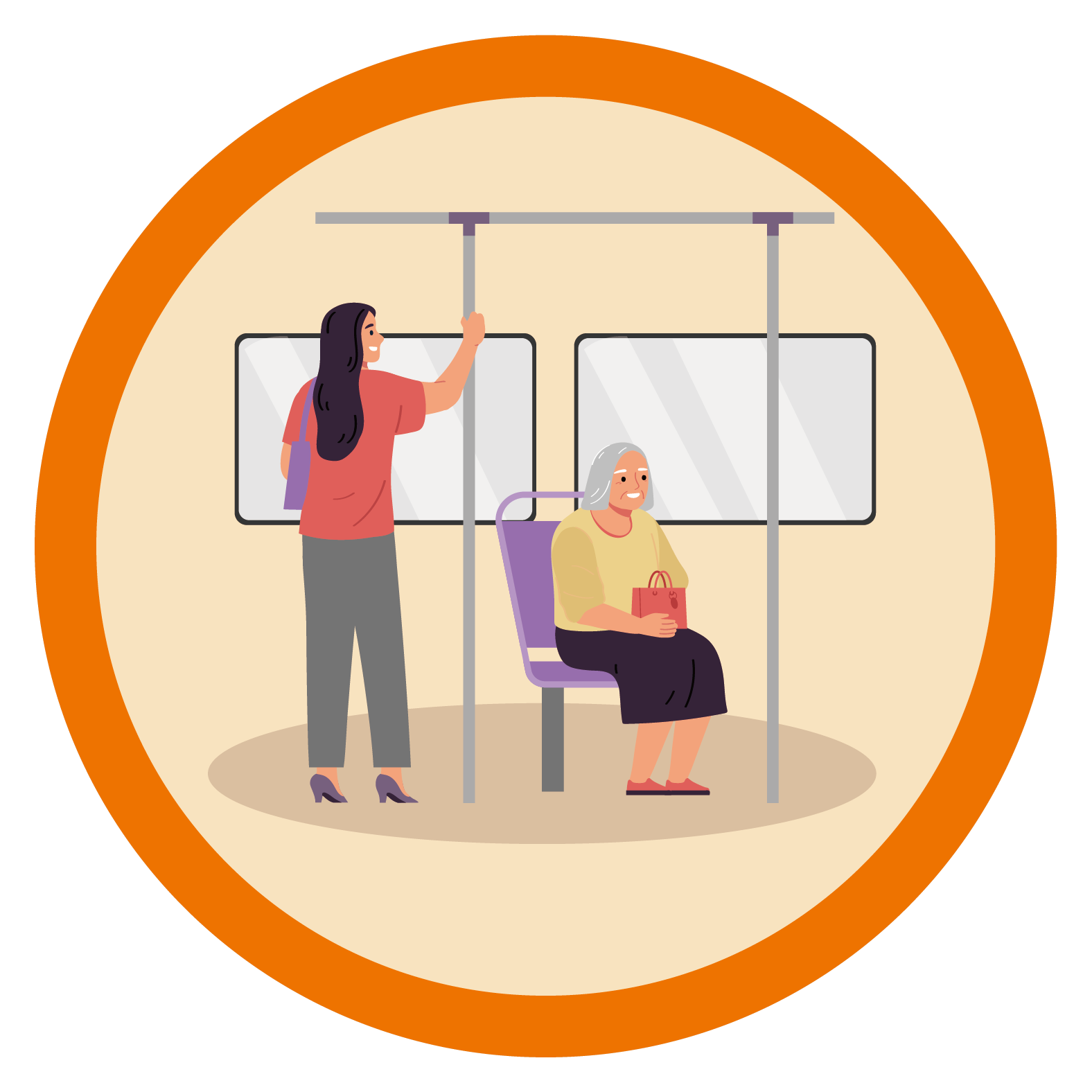 |
Offer your seat to those in need |
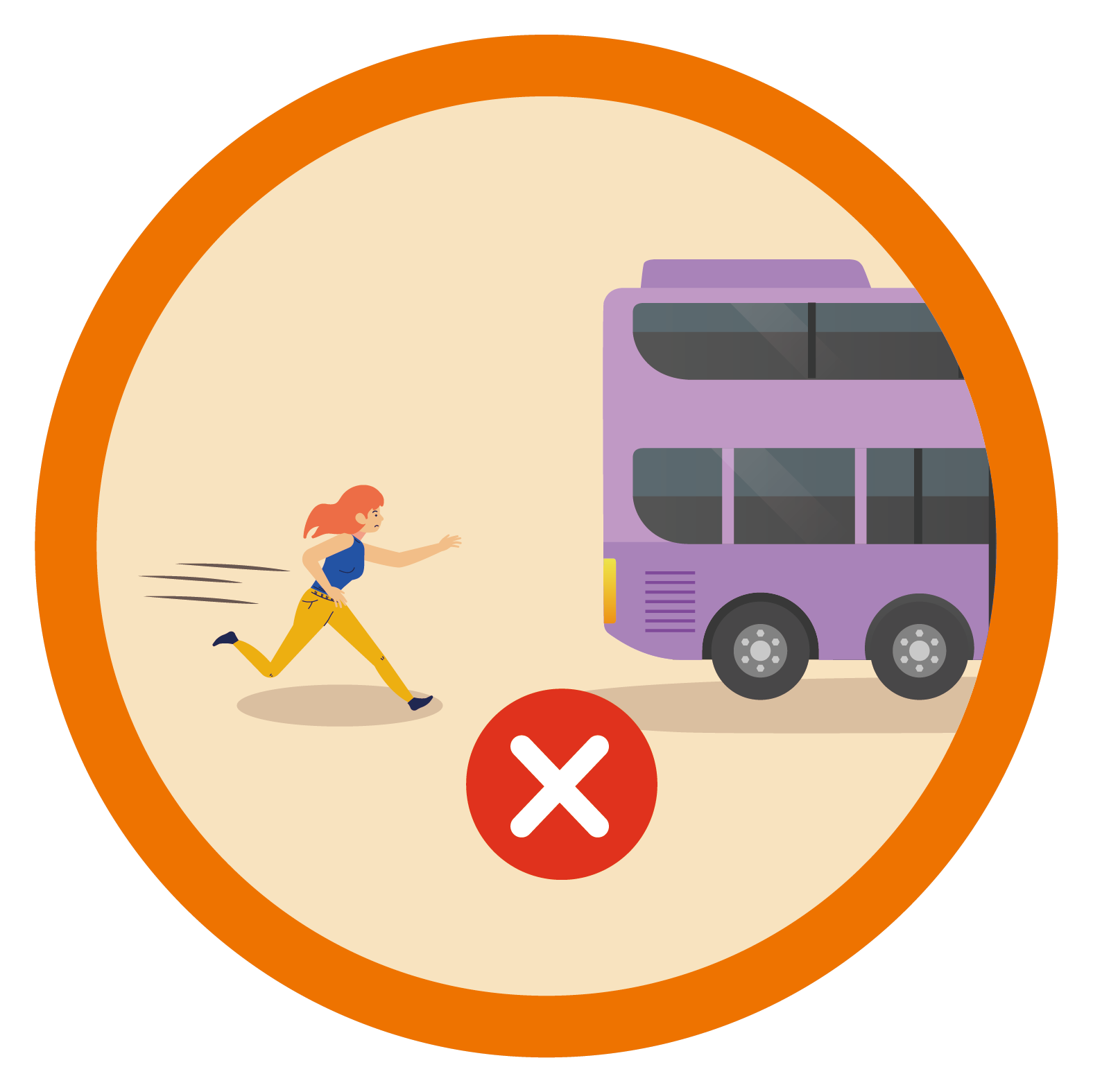 |
Do not chase a bus when it is leaving |
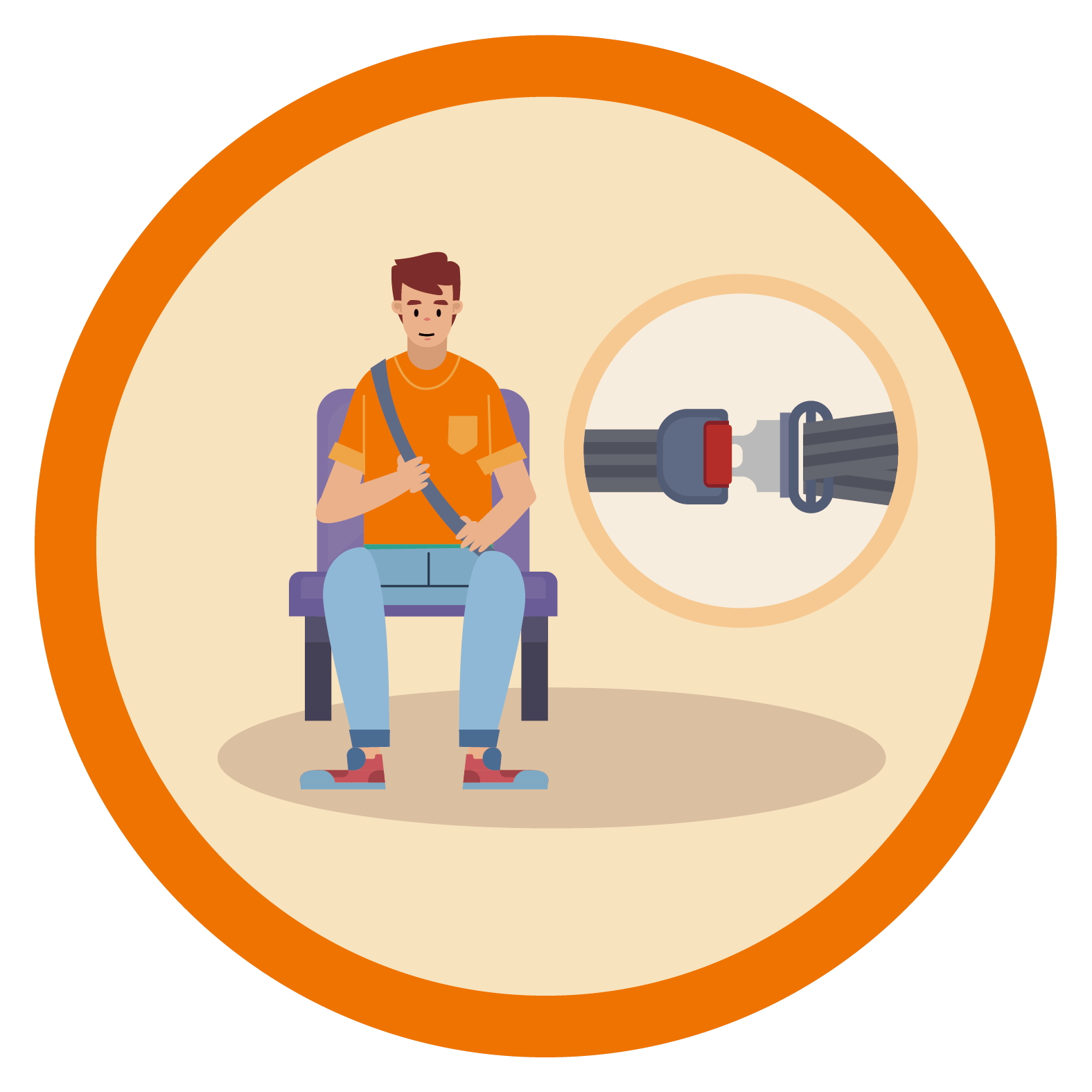 |
Fasten the seat belt if there's one |
Bus Captains and Passengers